Olive farm in Stilbaai
Five thousand olive trees on the Goukou
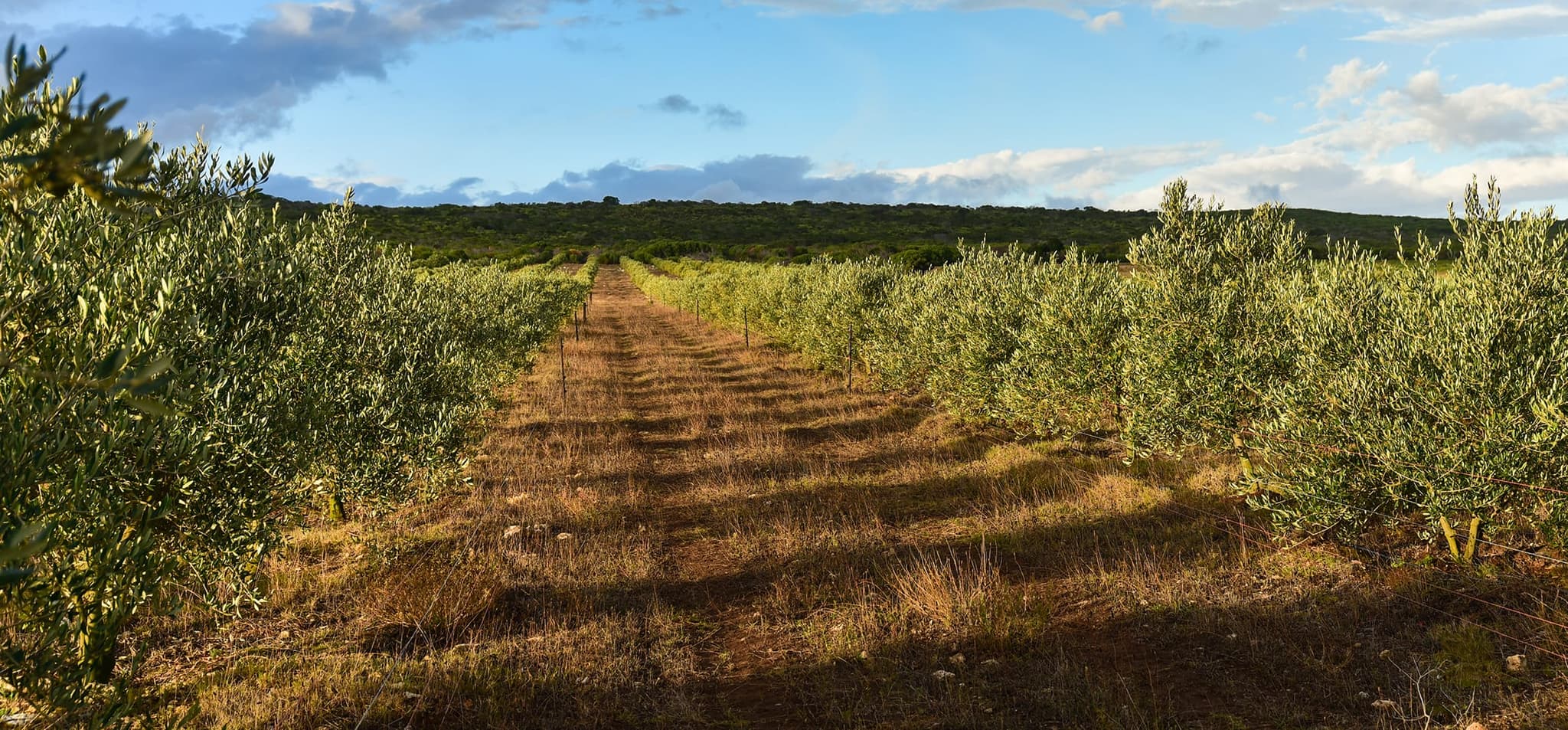
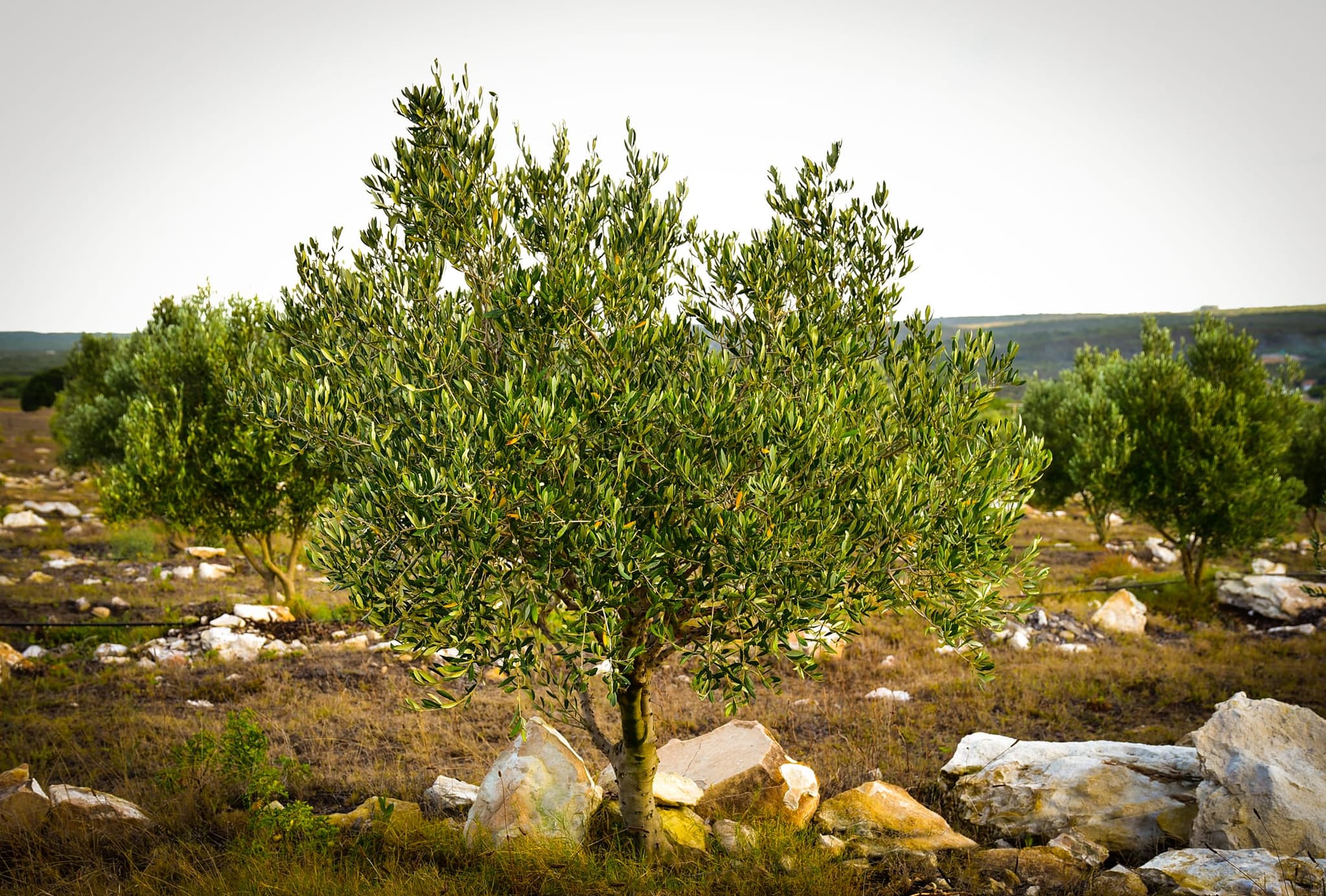
Thirty hectares and more than 5,000 olive trees on the banks of the Goukou, planted in 2008, hand picked from May to June and pressed on the farm into a single-estate extra virgin olive oil.
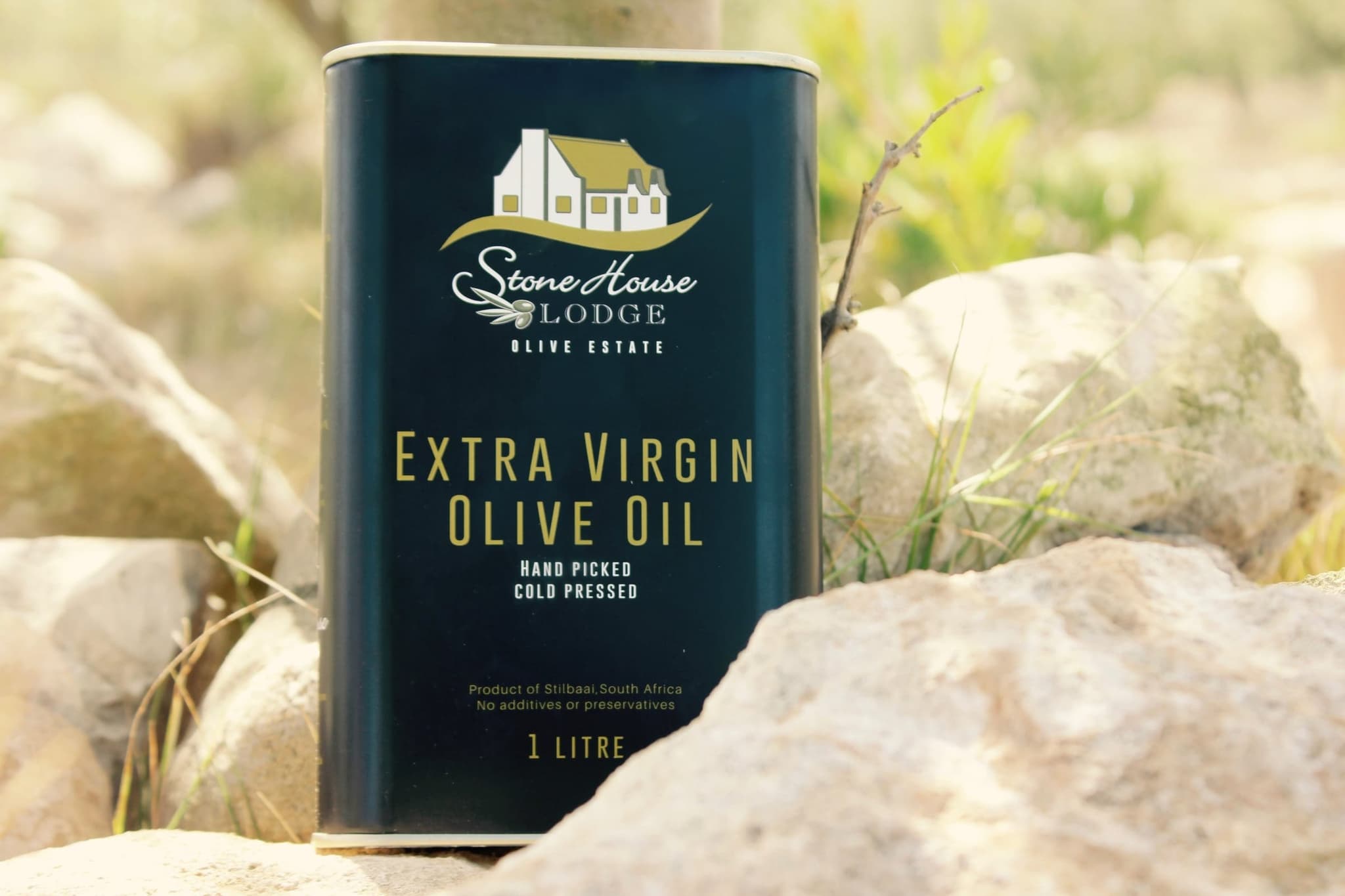
The Stonehouse olive estate is a 30 ha grove of more than 5,000 trees on the Goukou River near Stilbaai, planted in 2008. Five cultivars are hand picked between May and June and pressed on the farm into one single-estate extra virgin olive oil, sold in one-litre tins.
How the orchard was planted
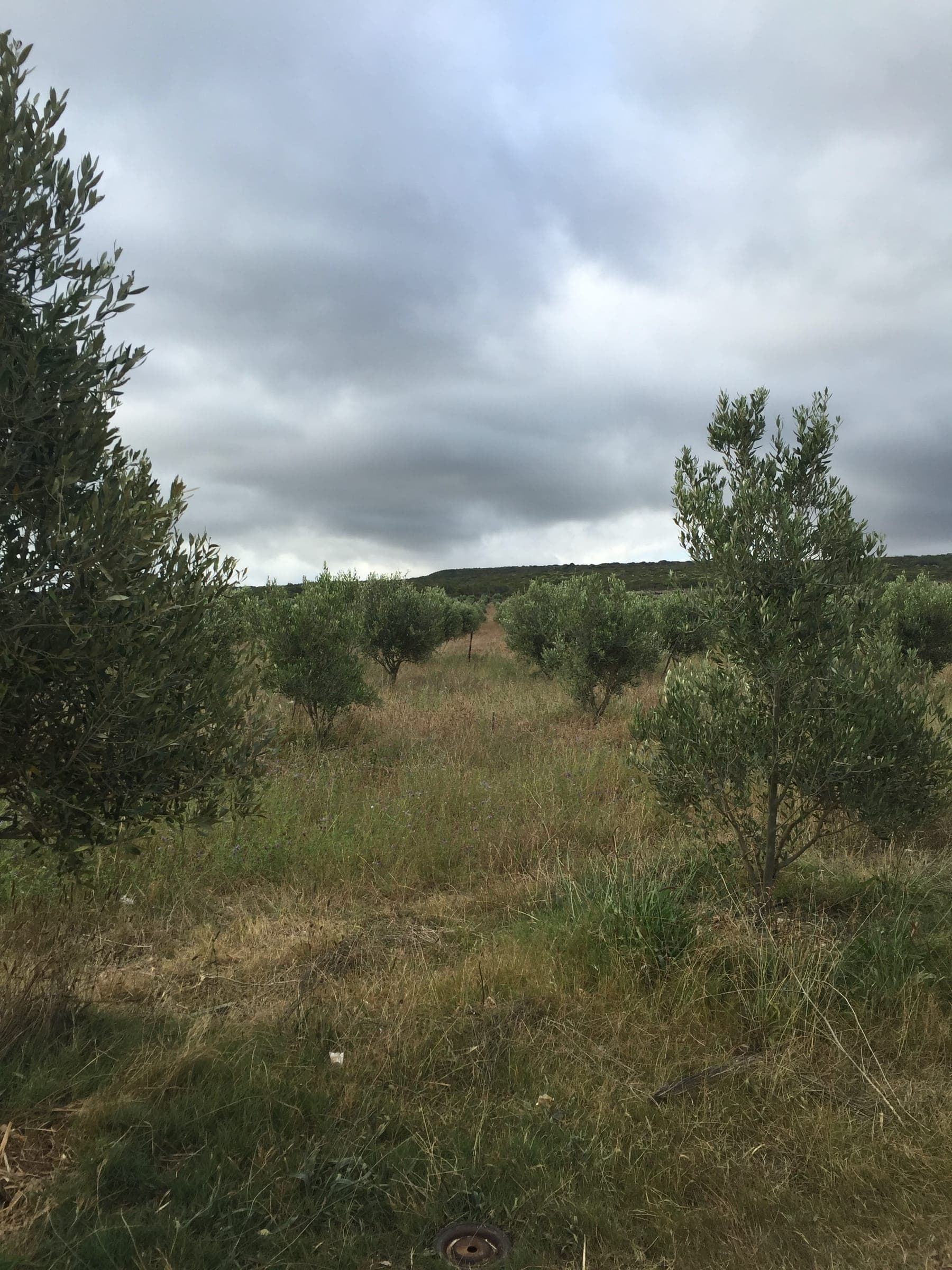
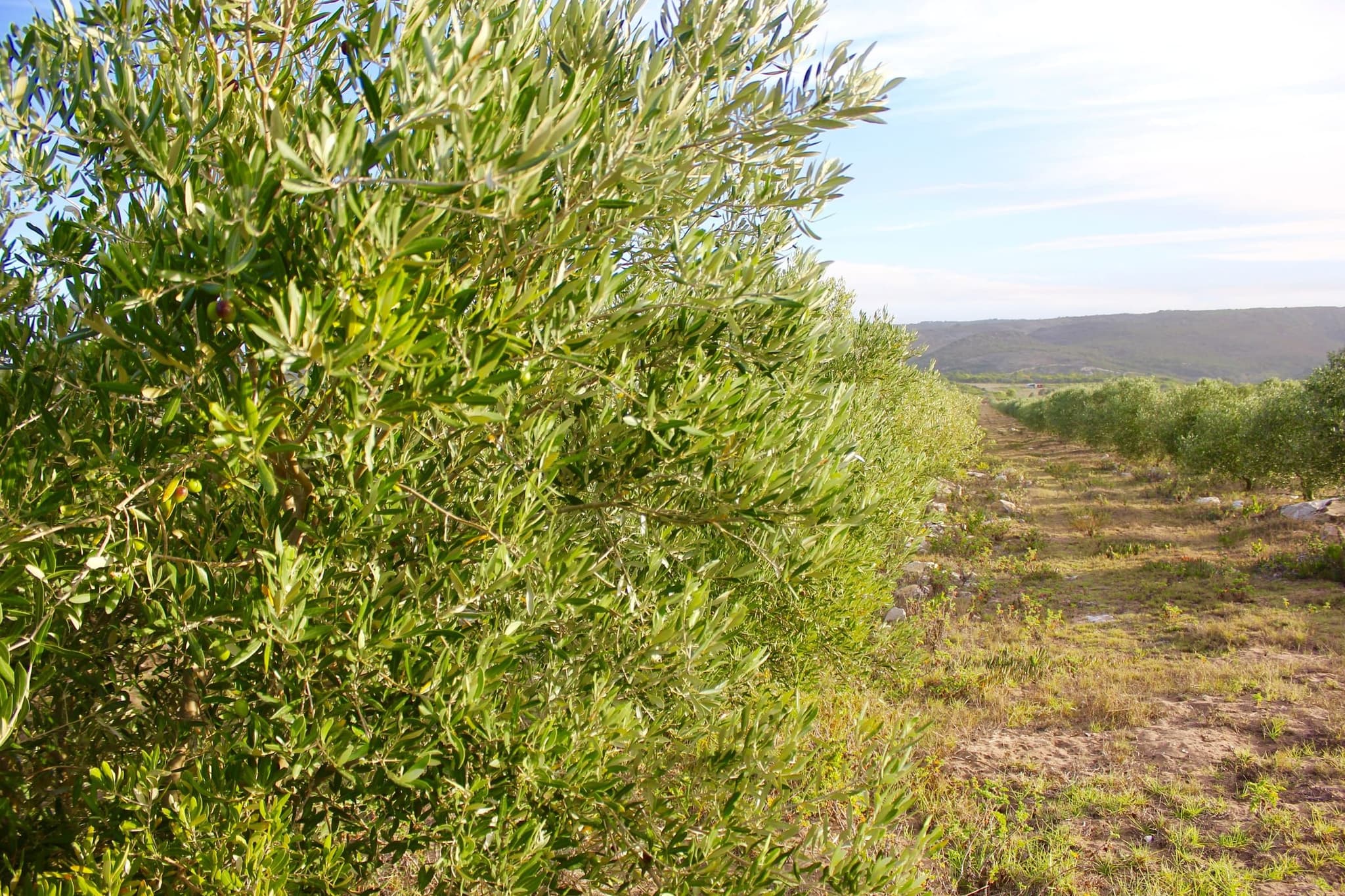
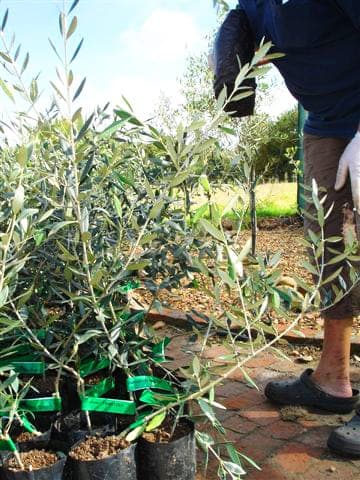
The Stonehouse olive estate was planted in 2008 on the banks of the Goukou. Olive trees hate wet feet, so the first job was ripping the soil to open it up and improve drainage. The ripper was 500 horsepower and 70 tons of steel.
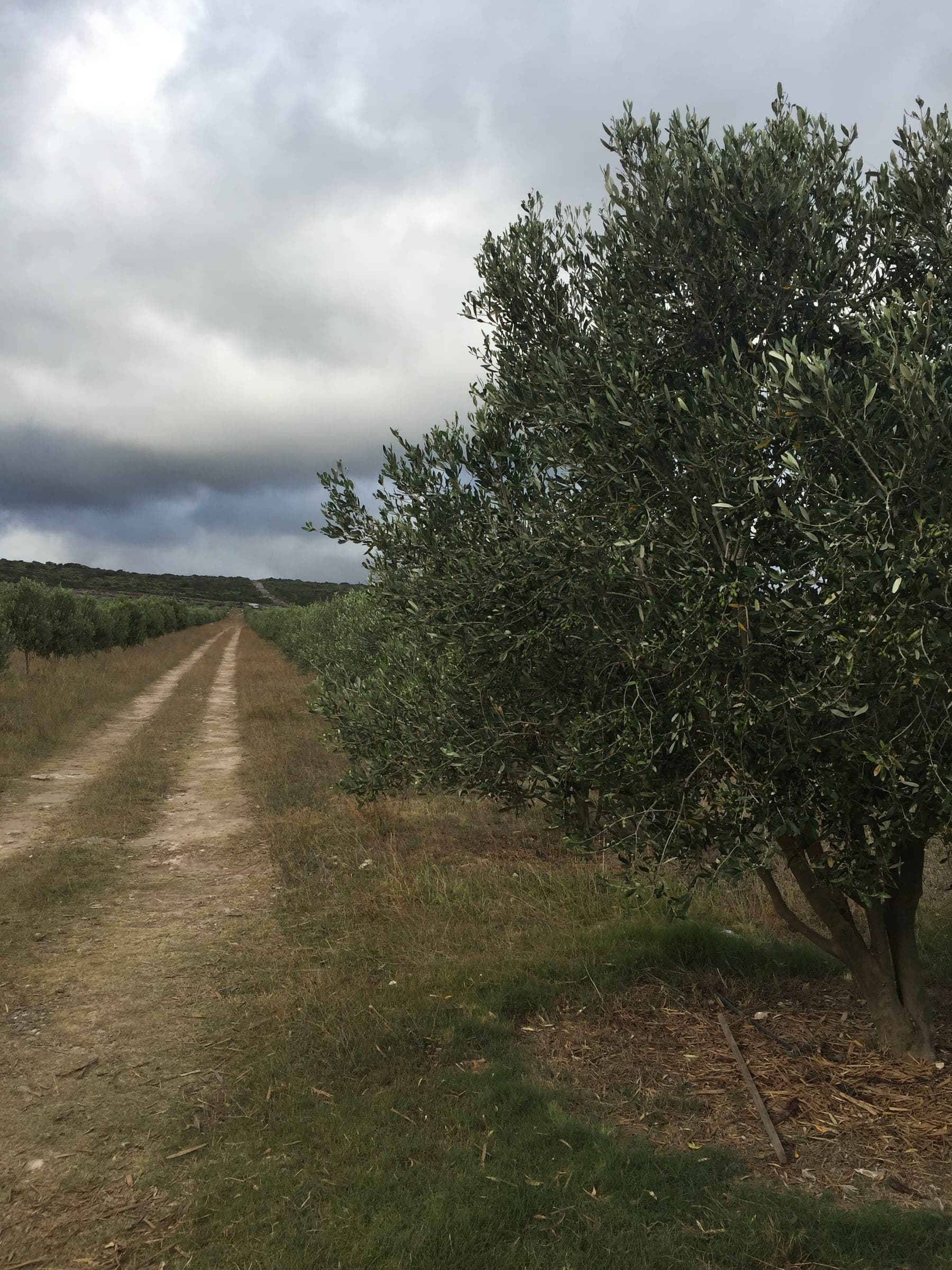
Drip irrigation went in next, the most economical way to water without waste. The trees stand in rows 7 m apart, with 5 m between trees, which leaves room for the sun to reach every tree and for the pickers to work between the rows.
What we grow
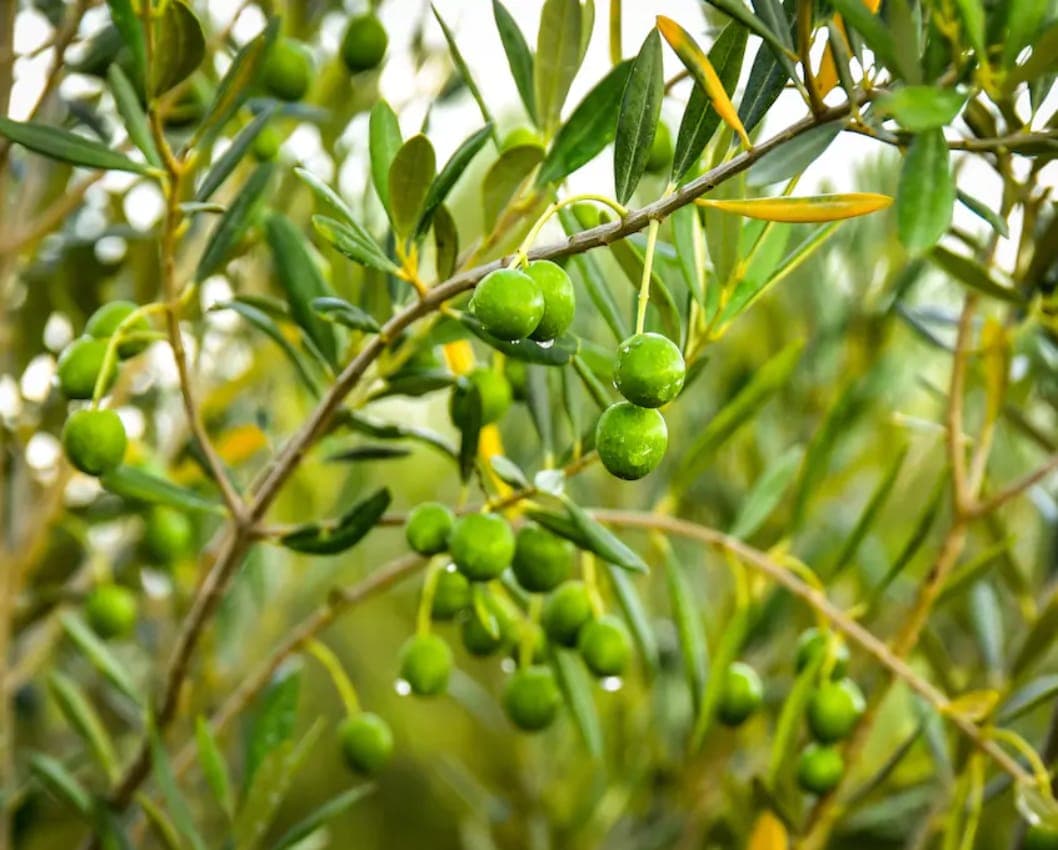
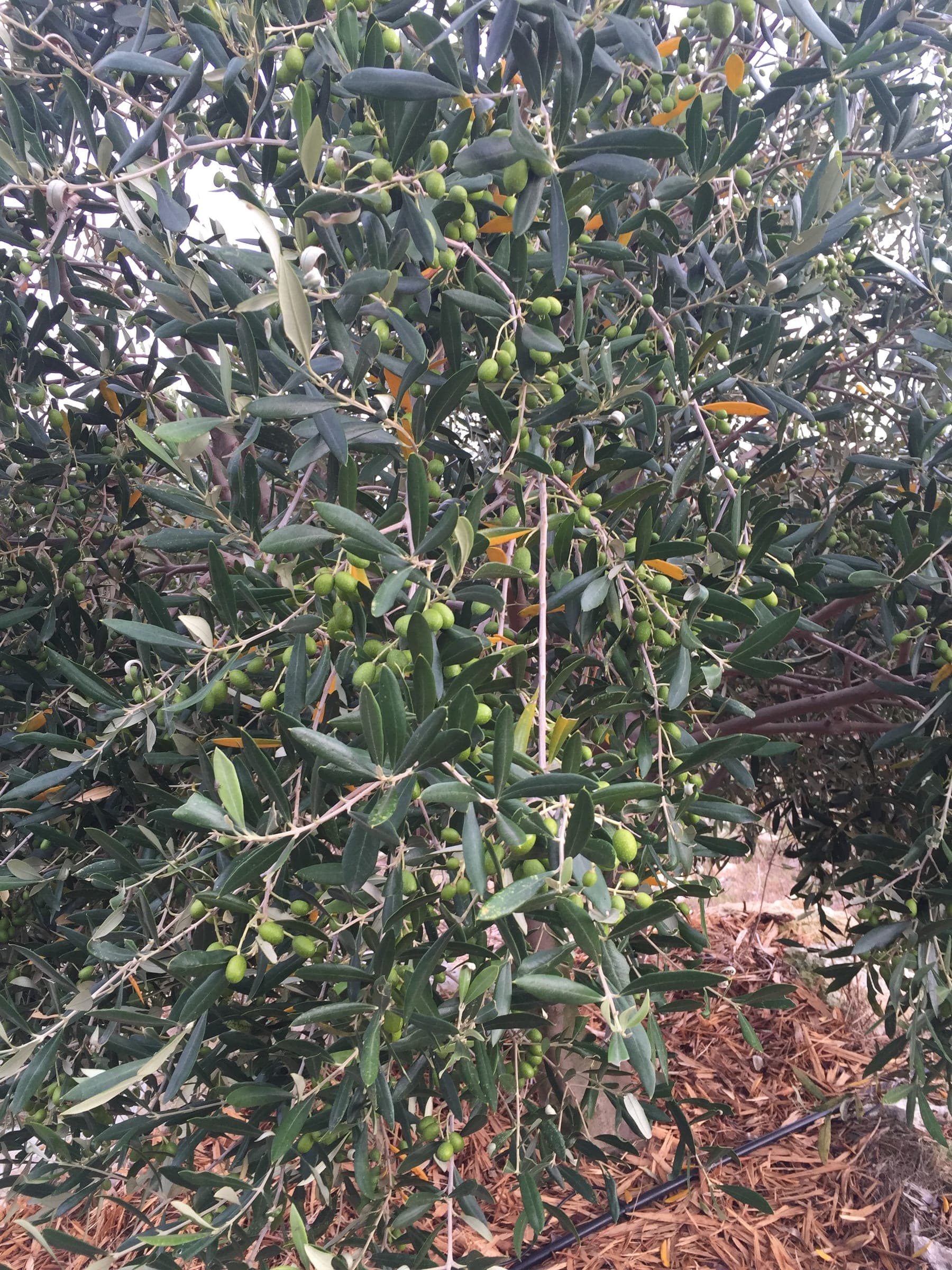
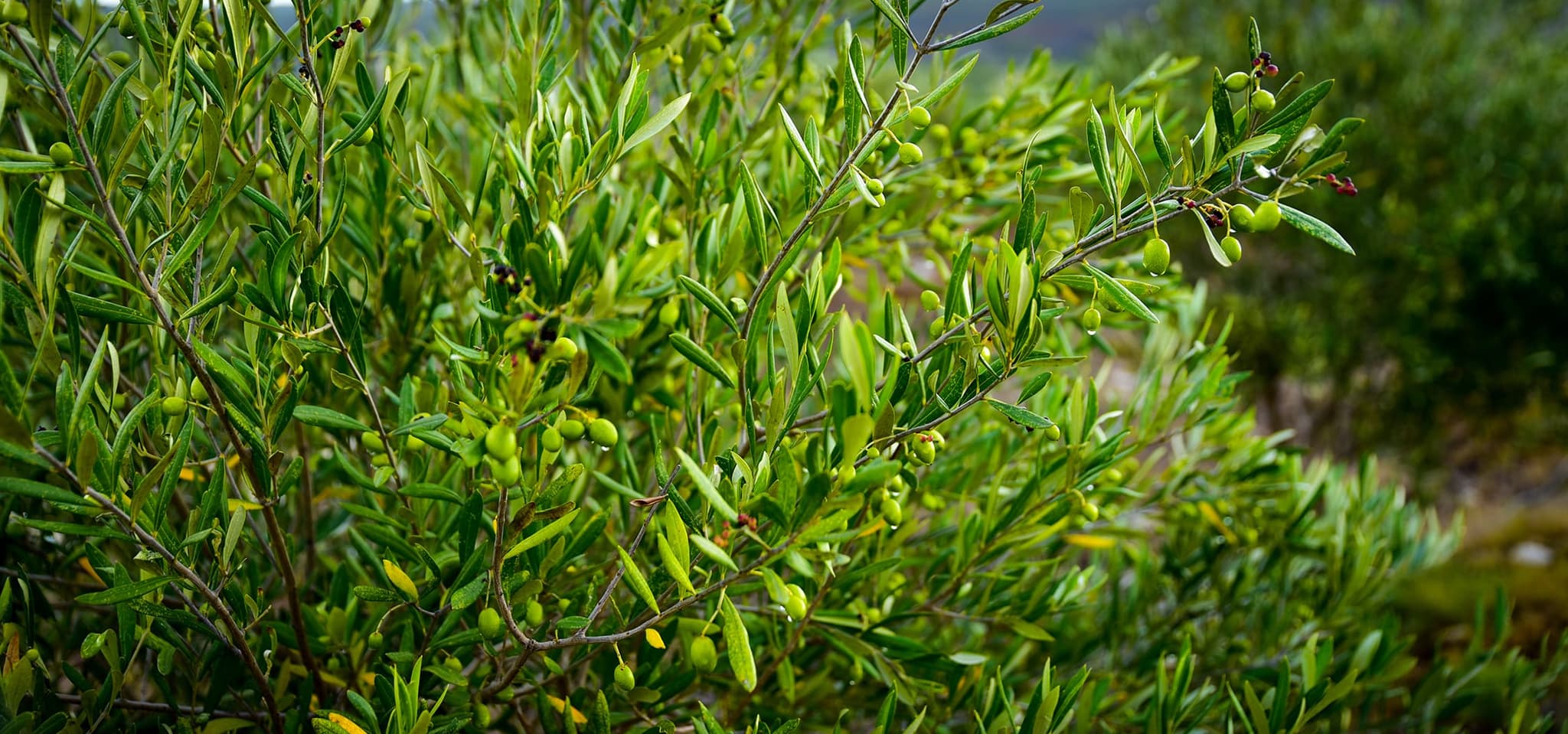
Five cultivars: Kalamata, Mission, Frantoio, Leccino and Coratina. Each brings something different to the blend, which is why the oil is a single-estate blend rather than a single cultivar.
We feed the soil with mulch and with compost made from the farm's own chicken and horse manure, delivered through the irrigation (fertigation).
Harvest and pressing on the farm
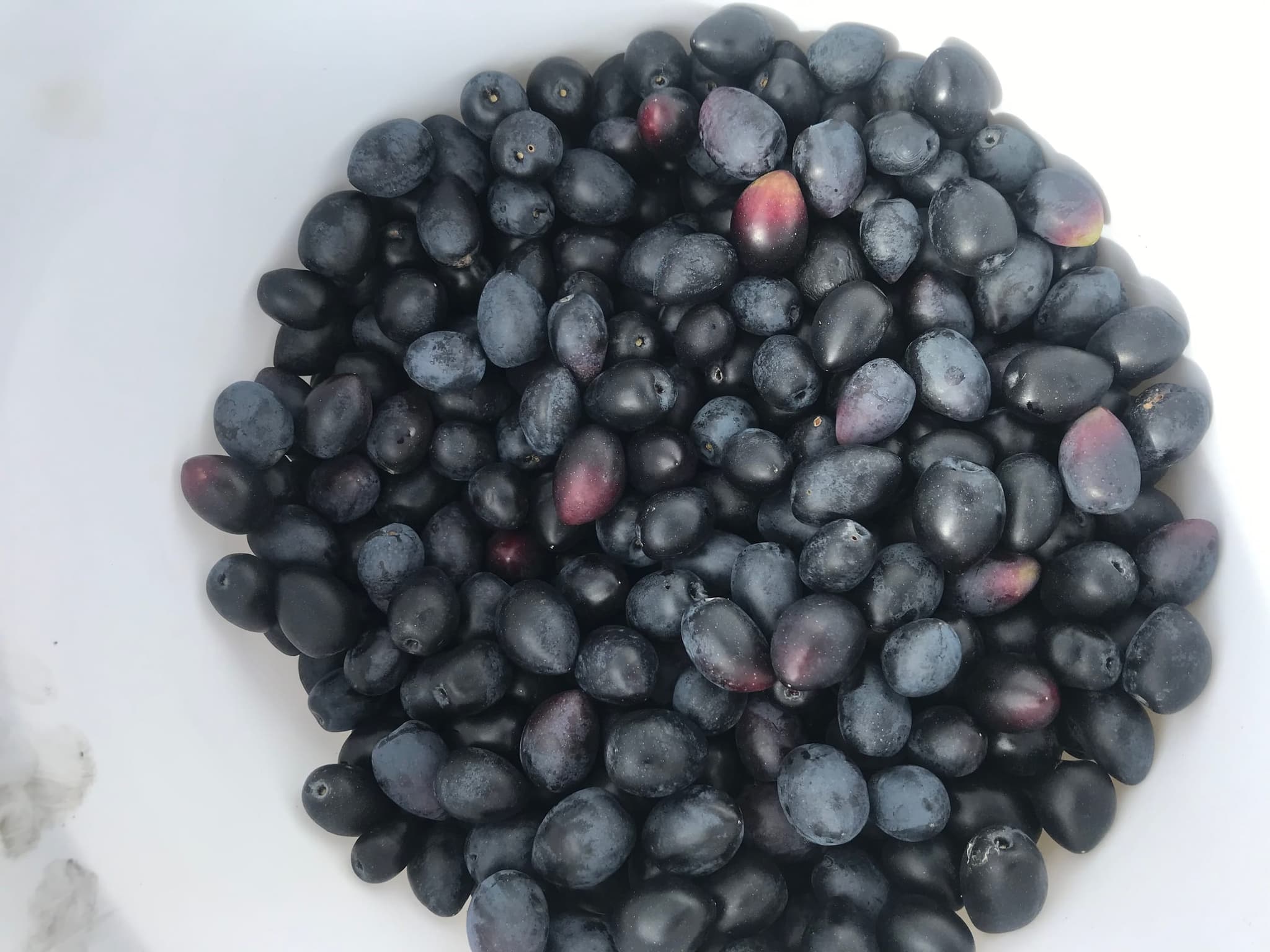
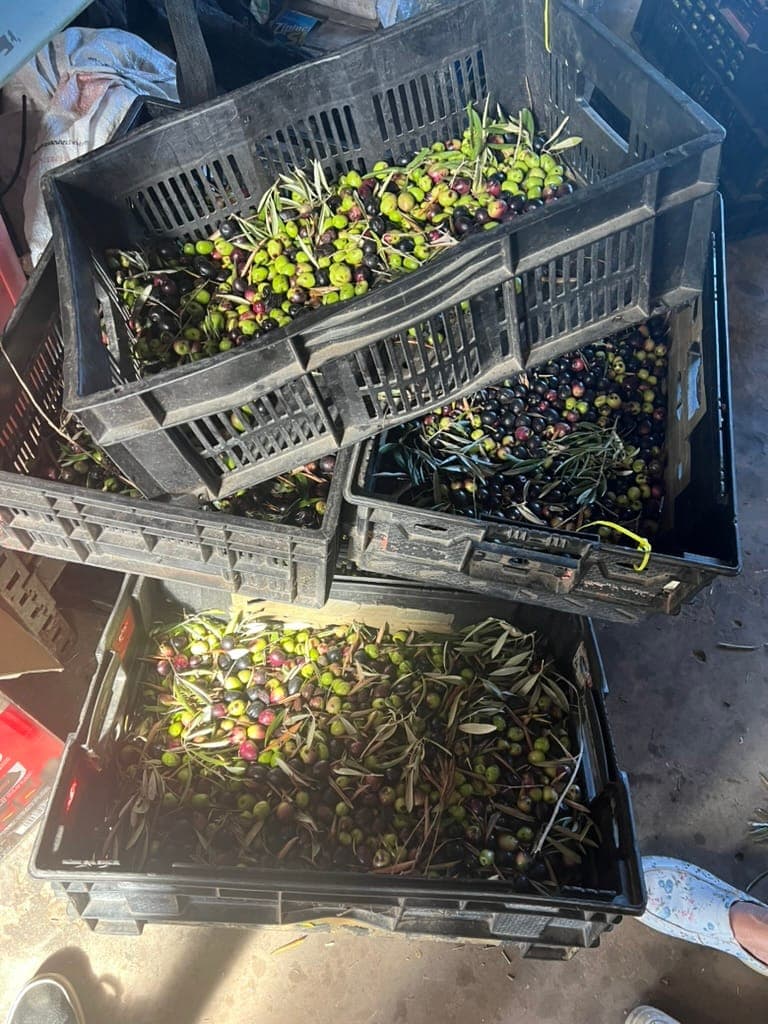
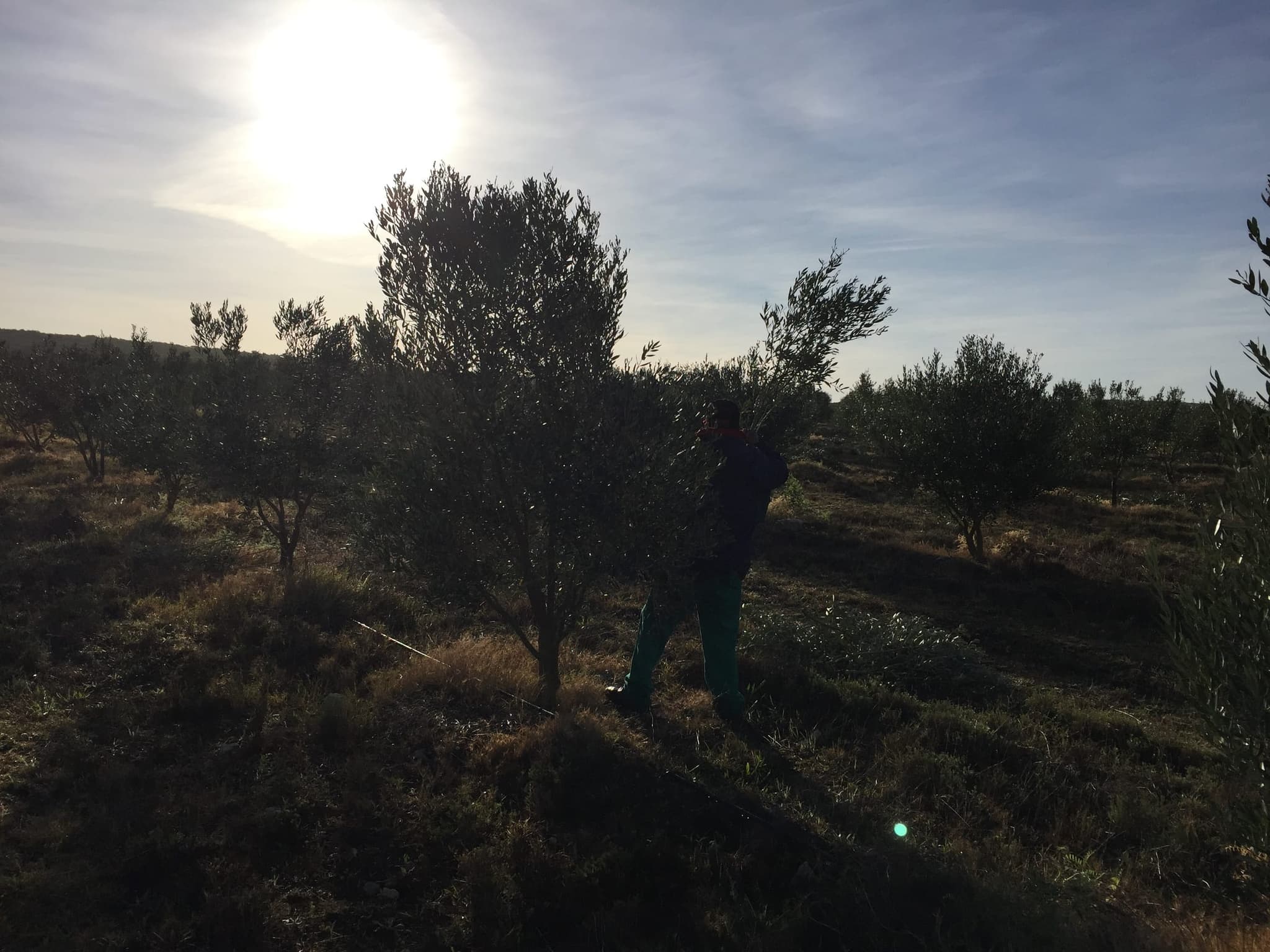
The olives are hand picked at optimal ripeness, usually from May to June, when the fruit turns from green to purple-black. Hand picking is slower than shaking the trees but keeps the fruit whole.
The olives are pressed here on the farm, close to the trees, so very little time passes between picking and pressing. They are pressed on the farm into one estate blend of extra virgin olive oil, which has been the Stonehouse oil since the grove came into production.
Visit the grove
Guests staying on the farm are welcome to walk the orchard: the upper section of the farm runs through the olive trees and on into indigenous bush, and the farm hosts weddings in the olive grove by arrangement. Ask Alison about tasting the oil during your stay, and take a tin home.
The grove
From the tree to the tin
Good to know
Olive estate questions
How big is the Stonehouse olive estate?
About 30 hectares, with more than 5,000 olive trees planted from 2008.
Which olive cultivars does Stonehouse grow?
Kalamata, Mission, Frantoio, Leccino and Coratina.
Where is Stonehouse olive oil pressed?
On the farm, near Stilbaai on the Goukou River. It is a single-estate extra virgin olive oil.
When are the olives harvested?
They are hand picked at optimal ripeness, usually from May to June.
Can I visit the olive grove?
Guests staying on the farm are welcome to walk the orchard, and olive oil tastings can be arranged. Ask Alison when you book.
Taste it
Our oil is sold in one-litre tins. Order by WhatsApp or email, or buy it at the farm during your stay. Guests are welcome to walk the orchard.